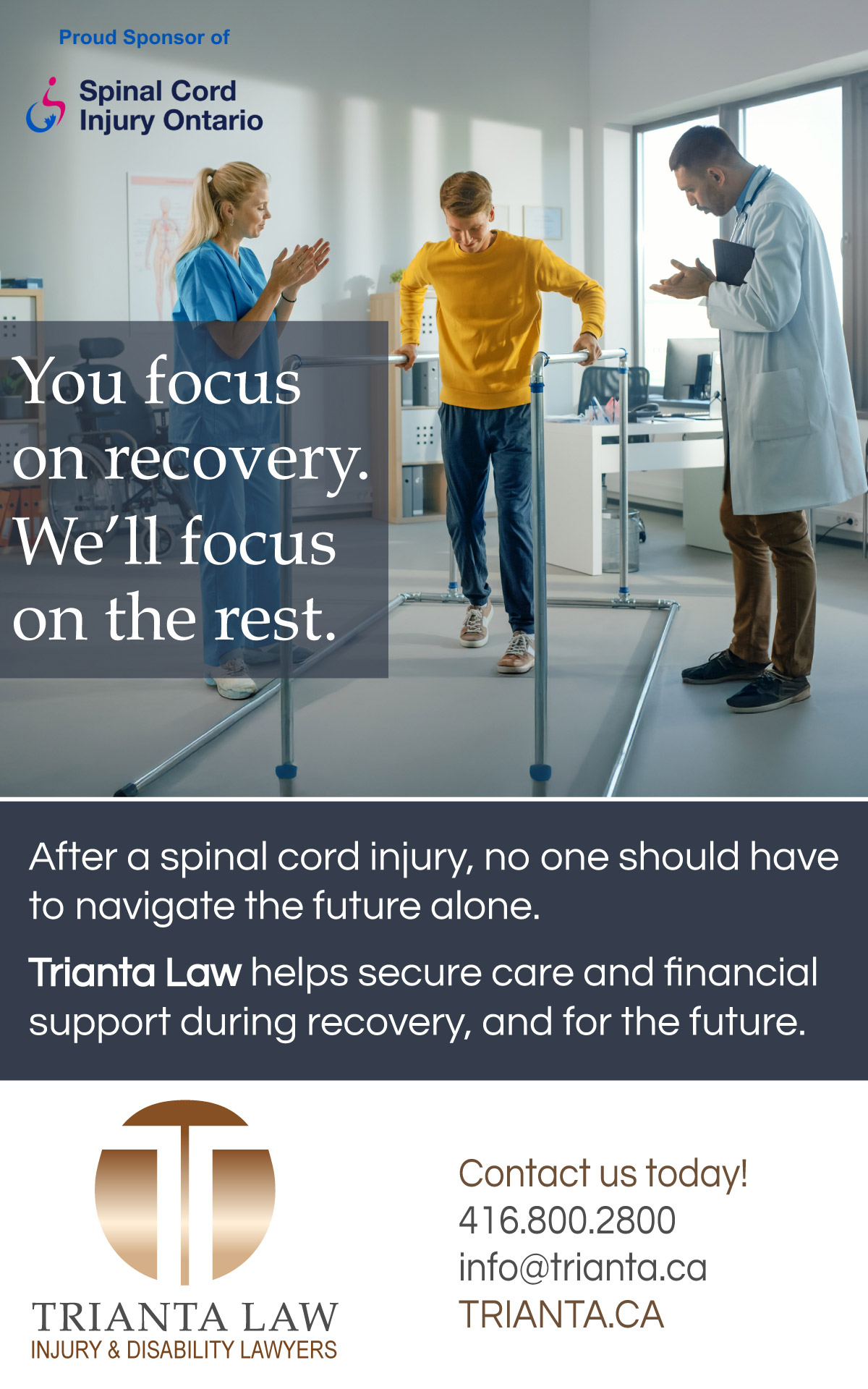


The first few days and weeks after a spinal cord injury (SCI) can feel overwhelming. Many individuals and families experience shock, fear, and grief as they try to make sense of sudden changes to mobility and daily life. While everyone’s journey is different, understanding the early stages of recovery can help bring clarity and support during an incredibly difficult time.
Immediate Medical Priorities
After an SCI, the medical team focuses on stabilizing the spine, preventing complications, and assessing the level of injury. Patients may spend time in the ICU or acute care before transitioning to rehabilitation. Rehab is where individuals begin learning new skills, exploring mobility options, and working with occupational and physiotherapists to regain independence. This stage often includes education for families, who may also be adjusting to new roles and expectations.
Emotional and Mental Health Support
SCI affects much more than the body. The emotional impact can be significant for both the individual and their family. Feelings of loss, frustration, and fear about the future are common. Speaking with mental health professionals, accessing peer support, and connecting with others who have lived experience can provide comfort and perspective. SCIO’s programs, including peer mentorship and community supports, remain invaluable during this transition.
Caregivers also need support. Learning new routines, assisting with daily tasks, and adapting to sudden life changes can be emotionally exhausting. Accessing caregiver resources early on can help reduce burnout and strengthen family resilience.
Understanding Legal Considerations
When an SCI results from a motor vehicle collision or another traumatic event, individuals may have questions about insurance, benefits, or other supports they might be entitled to in order to assist in their recovery. It is important to consult a spinal cord injury lawyer as soon as possible as there are important deadlines and documentation requirements that are necessary to understand to access these funds. In short, this area of law is complicated. It is important you choose a lawyer with extensive experience in personal injury law and spinal cord injuries specifically. A lawyer will explain your rights, help you navigate an increasingly complex system, and ensure you get access to necessary resources, including funding for rehabilitation and equipment.
Finding Support Moving Forward
Navigating the early days after an SCI is not something anyone should face alone. A combination of medical care, rehabilitation, mental health support, legal guidance, and community connections can help individuals regain stability and confidence. For more detailed education on life after SCI, readers can explore SCIO’s Cortree learning platform, which includes additional guides and videos developed in partnership with Oatley Vigmond.