
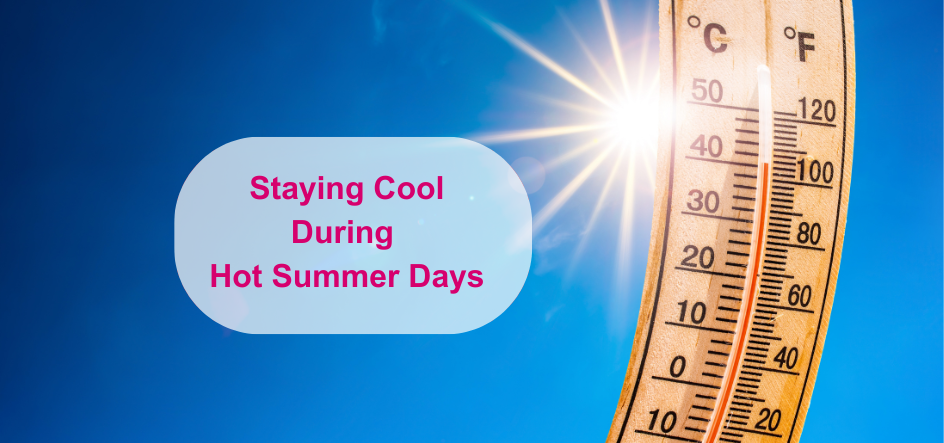

As temperatures rise across Ontario, staying cool becomes more than just a matter of comfort. For many people living with a spinal cord injury (SCI), the body’s ability to regulate temperature may be affected, increasing the risk of overheating and heat-related illness. Planning ahead and taking simple precautions can help you stay safe while enjoying everything summer has to offer.
Why Heat Can Affect People with SCI Differently
Depending on the level and completeness of an injury, some people living with SCI may have difficulty regulating their body temperature. This can mean sweating less or not at all below the level of injury, making it harder for the body to cool itself. Others may experience increased fatigue or other symptoms during periods of extreme heat.
Understanding how your body responds to hot weather can help you make informed decisions and enjoy the summer more safely.
Tips for Staying Cool
Stay Hydrated
- Drink water regularly throughout the day, even if you don’t feel thirsty.
- Carry a reusable water bottle whenever you’re out.
- Enjoy foods with high water content, such as watermelon, cucumbers, berries, oranges, and leafy greens.
- Limit alcohol and excessive caffeine, which may contribute to dehydration.
Keep Your Body Cool
- Take cool showers or sponge baths.
- Use a spray bottle with cool water and a portable fan.
- Apply cool, damp towels to your neck, wrists, or forehead.
- Freeze water bottles before heading out so you have cold water available throughout the day.
- If appropriate, consider using cooling towels, cooling scarves, or cooling vests.
Plan Outdoor Activities Wisely
- Schedule outdoor activities during the cooler morning or evening hours.
- Avoid prolonged sun exposure during the hottest part of the day, typically between 11 a.m. and 3 p.m.
- Seek shade whenever possible and take frequent breaks indoors or in air-conditioned spaces.
Dress for the Weather
- Wear lightweight, loose-fitting, breathable clothing.
- Choose light-coloured fabrics that reflect heat.
- Wear a wide-brimmed hat and sunglasses when outdoors.
- Apply sunscreen regularly to protect your skin.
Keep Your Home Cool
- Close blinds or curtains during the hottest part of the day.
- Open windows in the evening or early morning when temperatures are cooler.
- Use fans or air conditioning if available.
- If your home becomes too warm, consider spending time at an air-conditioned community centre, library, shopping mall, or other public space.
Additional Tips for Wheelchair Users
- Check wheelchair cushions, armrests, seat belts, and metal surfaces before use, as they can become very hot in direct sunlight.
- If you use a power wheelchair, be mindful that batteries may be affected by prolonged exposure to extreme heat.
- Keep medications and medical supplies stored according to the manufacturer’s recommendations.
- Bring water, cooling supplies, and emergency contact information whenever travelling.
Know the Signs of Heat-Related Illness
It’s important to recognize when your body may be overheating.
Watch for symptoms such as:
- Dizziness
- Headache
- Nausea
- Extreme fatigue
- Flushed or unusually warm skin
- Confusion
- Rapid heartbeat
If you experience symptoms of heat exhaustion or heat stroke, move to a cool place immediately, drink fluids if you are able, and seek medical attention right away.
Enjoy Summer Safely
Summer is a wonderful time to get outside, connect with family and friends, and enjoy your community. By planning ahead, staying hydrated, and listening to your body, you can reduce your risk of overheating and stay comfortable during hot weather.
Everyone experiences heat differently. If you have a favourite strategy for staying cool, we’d love to hear it. Share your tips with the SCIO community on social media and help others make the most of the summer season.
For more information, resources, and peer support, visit www.sciontario.org.